The biggest risk a buyer feels isn't the technology — it's “who will I sell to?” Here are the proven channels for indoor produce, and why you should line up demand before you build.
AEROPONICS.FARM Engineering · Updated 2 August 2026
The operators who survived the shakeout had offtake before they poured concrete — a contract or at least a letter of intent. Treat sales as step one, not step ten. It also de-risks financing: a bank or investor is far more comfortable when the produce is already spoken for.
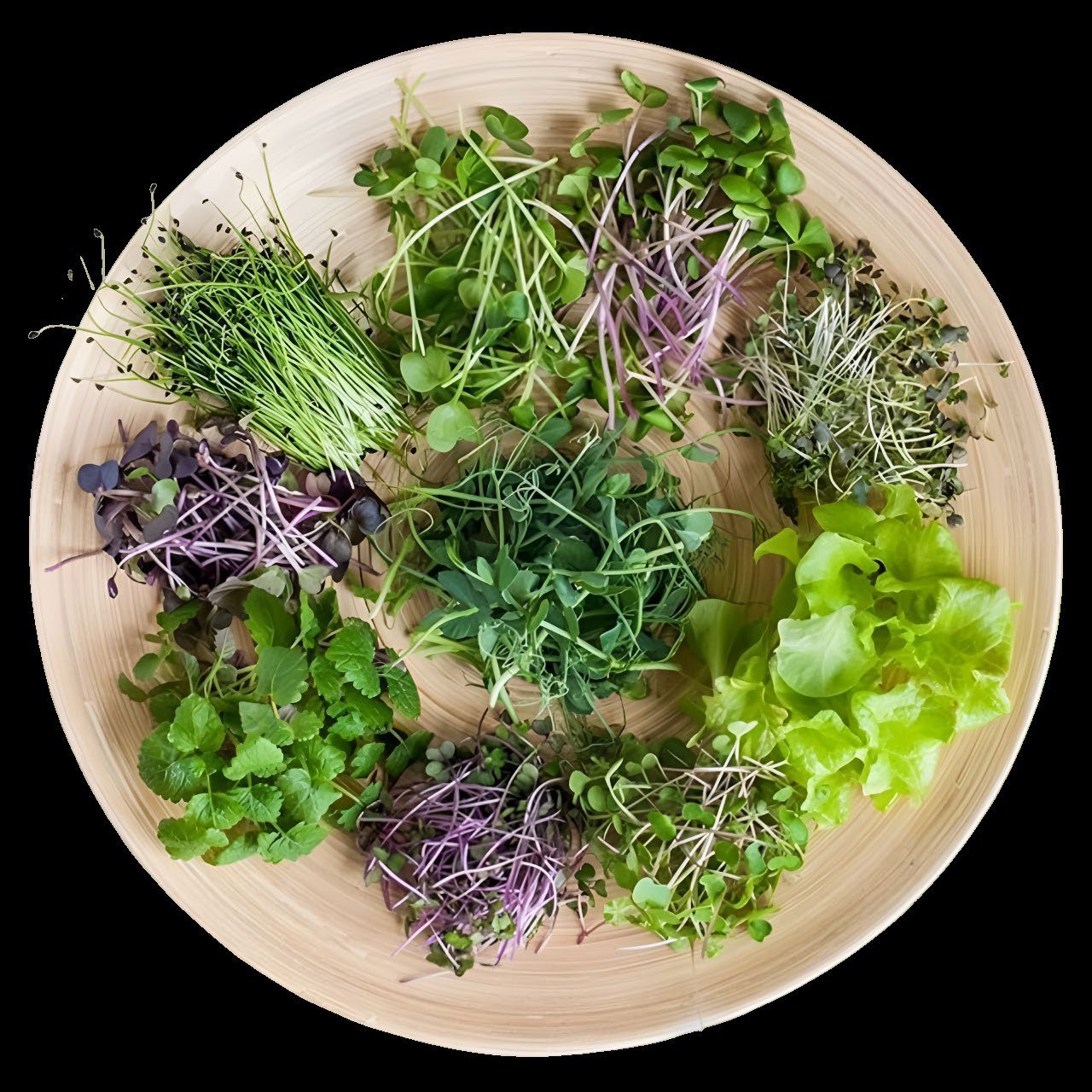
HoReCa — hotels, restaurants and chefs pay the most and value same-day freshness and provenance; it's especially strong in the Gulf. Premium retail and specialty grocers want clean-label, pesticide-free produce. Health and juice bars, gyms and wellness buy microgreens and wheatgrass. Subscription and box schemes build recurring revenue. Food-service distributors give volume. Private label puts your produce under a retailer's brand. And export to neighbouring markets extends reach.
Short shelf life favours local production close to the buyer — exactly what indoor farming enables. That same constraint is your moat against imports, and it lets you command a premium for freshness.
Part of the biomass can be processed into bioactive extracts for the pharma, nutraceutical and cosmetic industries — a second, higher-margin revenue channel most growers never tap.
Chefs and hotels (HoReCa), premium grocers, health and juice bars, subscription boxes, food-service distributors, and — for extracts — pharma, nutraceutical and cosmetic buyers.
Yes. Lining up a contract or LOI first de-risks the project and makes financing far easier.
Why microgreens are the fastest-payback indoor farm, and why the Gulf is a natural market.…
Read →Guide · 7 minVertical farm price bands in 2026 — plus what drives cost, OPEX and payback.…
Read →Estimate payback for your crop and climate, then get an engineered quote within 24 hours.
Open the ROI calculator →