A wave of vertical farms failed in 2023–2025, and it's the first thing a cautious buyer raises. Here's what actually happened — and why buying equipment is a very different risk from running a mega-farm.
AEROPONICS.FARM Engineering · Updated 2 August 2026
The casualties were capital-heavy owner-operators. Freight Farms went bankrupt in 2025; AeroFarms went through Chapter 11 in 2023; Infarm retreated from Europe. The pattern was consistent: they sold a futuristic vision to investors rather than ROI to farmers, and built expensive capacity ahead of real demand and unit economics.
Equipment suppliers and disciplined operators with secured offtake kept going. Tellingly, the bankrupt assets were bought and re-fitted — the market for the equipment itself kept growing even as individual operators failed. Selling “picks and shovels” is a more resilient position than running the mine.
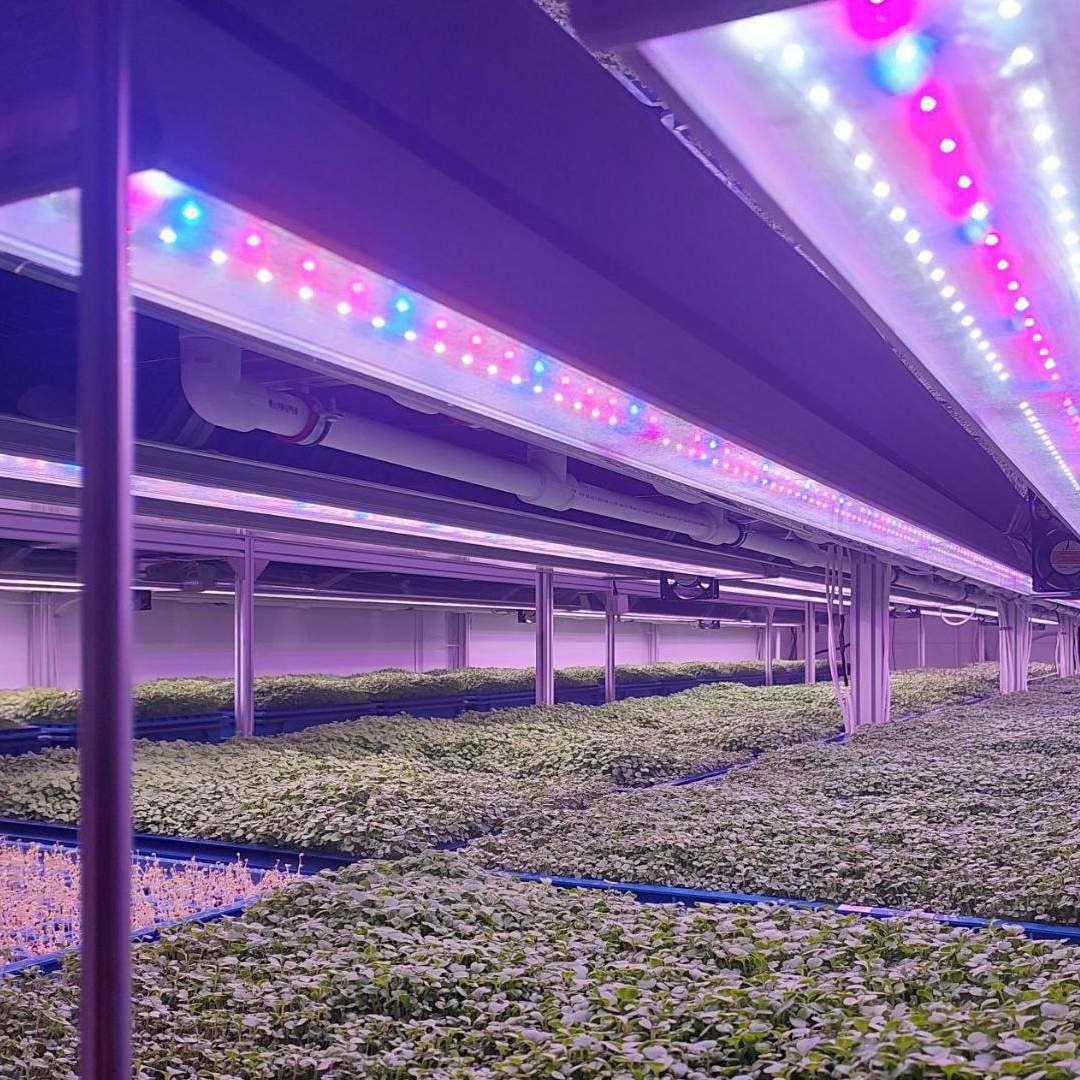
Buy bankable unit economics, not a promise. Start small — a microgreens room — prove the numbers on your own channel, then scale with predictable, modular units. Don't over-leverage on capacity you haven't sold yet.
Our model is engineered equipment plus real service and transparent ROI — the opposite of the hype that sank the operators. You own the system, there's no software lock-in, and every project is quoted with numbers you can take to a bank.
They were capital-heavy operators that scaled ahead of demand and sold a vision rather than proven unit economics — a different risk from buying equipment.
Buy bankable economics, start with a small fast-payback system, secure buyers first, and scale in predictable modular steps.
Vertical farm price bands in 2026 — plus what drives cost, OPEX and payback.…
Read →Market · 7 minWhy microgreens are the fastest-payback indoor farm, and why the Gulf is a natural market.…
Read →Estimate payback for your crop and climate, then get an engineered quote within 24 hours.
Open the ROI calculator →