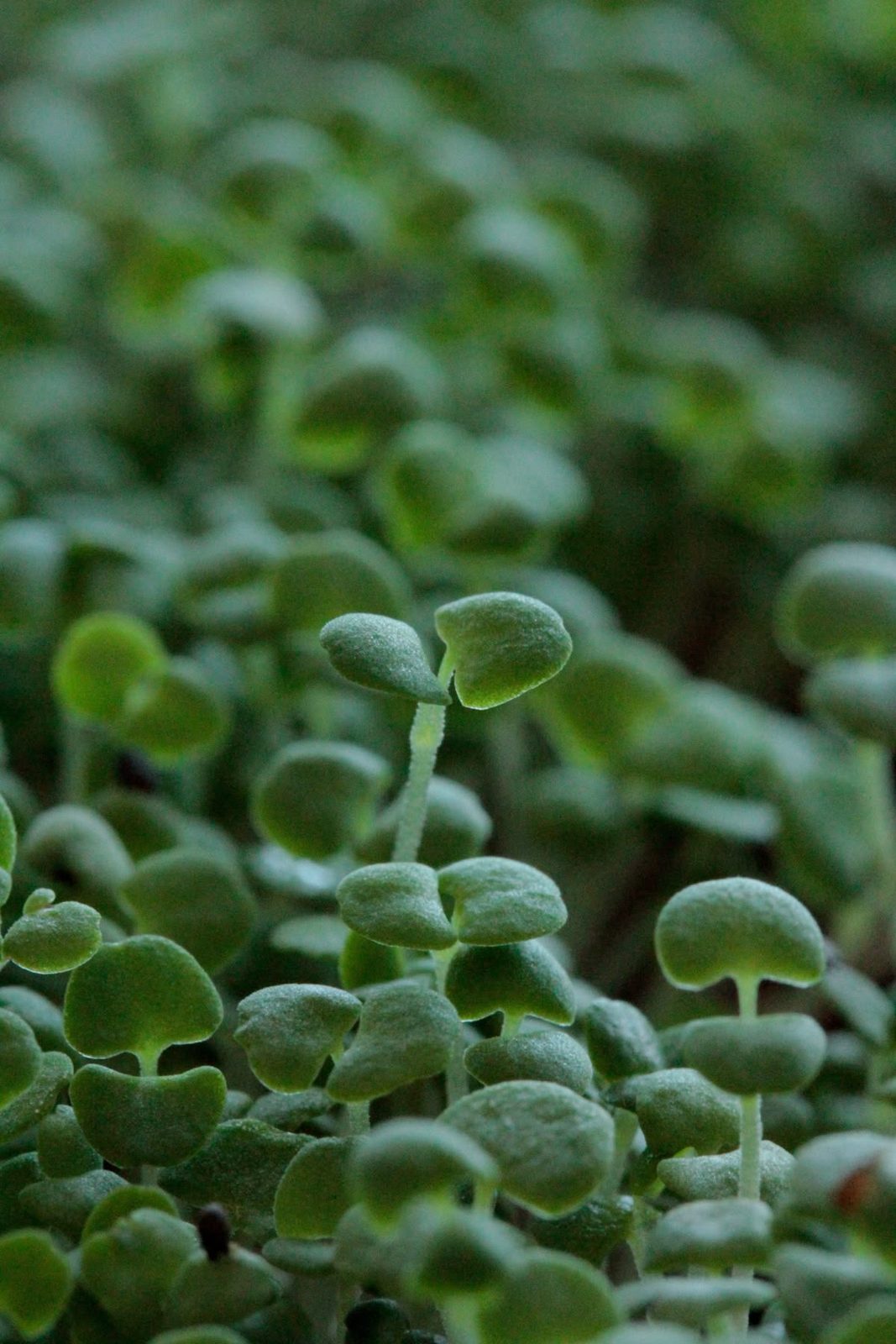
The parent family behind sulforaphane and mustard-oil actives — Brassica microgreens are dense in glucosinolates for standardized extraction.
Glucosinolates are sulfur-containing compounds characteristic of Brassica crops. When tissue is damaged, the enzyme myrosinase converts them into bioactive isothiocyanates (such as sulforaphane from glucoraphanin), studied for chemopreventive and antimicrobial activity.
Brassica microgreens carry a rich, cultivar- and light-tunable glucosinolate profile — a clean feedstock for standardized isothiocyanate ingredients.
| Broccoli, mustard, radish, kale microgreens | glucosinolate-rich; higher per gram than mature plants |
|---|---|
| Glucoraphanin (→ sulforaphane) | the flagship glucosinolate, concentrated in broccoli microgreens |
| Cultivar & light | profile and total content are tunable |
Standardized Brassica extracts (glucosinolate / isothiocyanate content).
Isothiocyanate precursors for chemoprevention research.
Mustard-oil actives and antioxidant ingredients.
Glucoraphanin is one glucosinolate; myrosinase converts it to the active isothiocyanate sulforaphane. Brassica microgreens are rich in the whole family.
Yes — cultivar, light and harvest are controlled to a target glucosinolate content.
Broccoli, mustard, radish and kale microgreens are the densest Brassica sources.
For B2B ingredient sourcing. Statements describe published research and third-party market estimates; they are not medical advice, and no health claim is made for any finished product. Market figures vary by source and are indicative.
The broccoli-derived compound at the centre of chemoprevention research — and broccoli microgreens carry 10–10…
Explore →Pigment · polyphenolClean-label natural pigments and polyphenol antioxidants — concentrated in red and purple microgreens such as …
Explore →CarotenoidThe macular carotenoids behind the multi-billion-dollar eye-health category — concentrated in microgreens like…
Explore →Provitamin AProvitamin-A carotenoid and natural colorant — red cabbage and pepper-cress microgreens are among the richest …
Explore →AntioxidantBroad-spectrum plant antioxidants for nutraceuticals and cosmeceuticals — and controlled LED cultivation can r…
Explore →PigmentThe green pigment sold as a natural colorant and “green” supplement — microgreens are a dense, clean source of…
Explore →VitaminPhylloquinone for supplements and fortification — amaranth and Brassica microgreens are among the richest fres…
Explore →FlavonolA flavonol antioxidant of rising research interest — concentrated in kale, broccoli and radish microgreens.…
Explore →FlavonolOne of the best-selling bioflavonoids in supplements — a $1.6–1.8B market — and Brassica and allium microgreen…
Explore →Tell us the compound, target concentration and volume — we cultivate to spec and supply biomass, powder or extract-ready material.
Request a sample & spec →